
19 November 2026
Quick answer: Swelling, bruising, mild bleeding and soreness for a few days are normal after implant surgery and usually ease within a week. Less common complications include infection, nerve irritation that causes numbness, sinus problems with upper back implants, and an implant that does not join the bone. Over the long term, the main risk is inflammation of the gum and bone around the implant. Careful 3D planning and regular maintenance visits lower these risks.
Implant surgery is common and predictable, but it is still surgery. This article sets out what is normal in the days afterwards, what is less common, and what is done to reduce each risk, so you can weigh up treatment with clear information.
What side effects are normal after implant surgery?
- Swelling, usually at its most noticeable two to three days after surgery.
- Bruising of the gum or the skin of the cheek, more likely after larger surgery.
- Minor bleeding or oozing on the first day.
- Soreness, usually managed with pain relievers as directed.
- A stiff jaw for a few days, especially after longer appointments.
After a single implant, many people are back at work within a day or two. Full-arch surgery takes longer to recover from. You receive written aftercare instructions and a number to call.
What complications are less common?
- Infection at the surgical site, usually treated with cleaning and medication.
- Nerve irritation. Implants in the lower back jaw sit near the nerve that supplies feeling to the lip and chin. Irritation can cause numbness or tingling, which is usually temporary but can occasionally last.
- Sinus problems. Upper back implants sit under the sinus. Where bone there is thin, a sinus lift adds bone first, and implants placed with sinus floor elevation showed high survival in a systematic review (Pjetursson et al., 2008).
- An implant that does not join the bone. It is removed, the site heals, and a new implant can usually be placed later. See failed dental implants.
- Damage to a neighboring tooth root, avoided by planning the implant's position on a 3D scan.
What are the long-term risks?
The main long-term risk is inflammation around the implant. A review of studies found weighted average prevalences of about 43% for peri-implant mucositis, which affects the gum, and about 22% for peri-implantitis, which also affects the bone (Derks & Tomasi, 2015). Figures vary a lot between studies. Implants that are hard to clean are more often affected (Serino & Ström, 2009), which is why crowns here are shaped for cleaning access.
Technical issues can also happen over the years, such as a loose screw or chipped porcelain on a crown (Jung et al., 2012). Clenching and grinding add to this, so a night guard is part of the plan if you do either. Our article on the signs of peri-implantitis explains what to watch for.
Who has a higher risk of complications?
- People who smoke.
- People whose diabetes is not well controlled.
- People with a history of gum disease.
- People taking some bone medicines, such as certain osteoporosis drugs, or who have had radiation to the head and neck.
- People who clench or grind heavily.
A higher risk does not always rule out implants. It changes the plan, the timing or the design. Tell us about every medicine you take, and Dr. Nahlah may coordinate with your physician.
How does Dr. Nahlah reduce the risks?
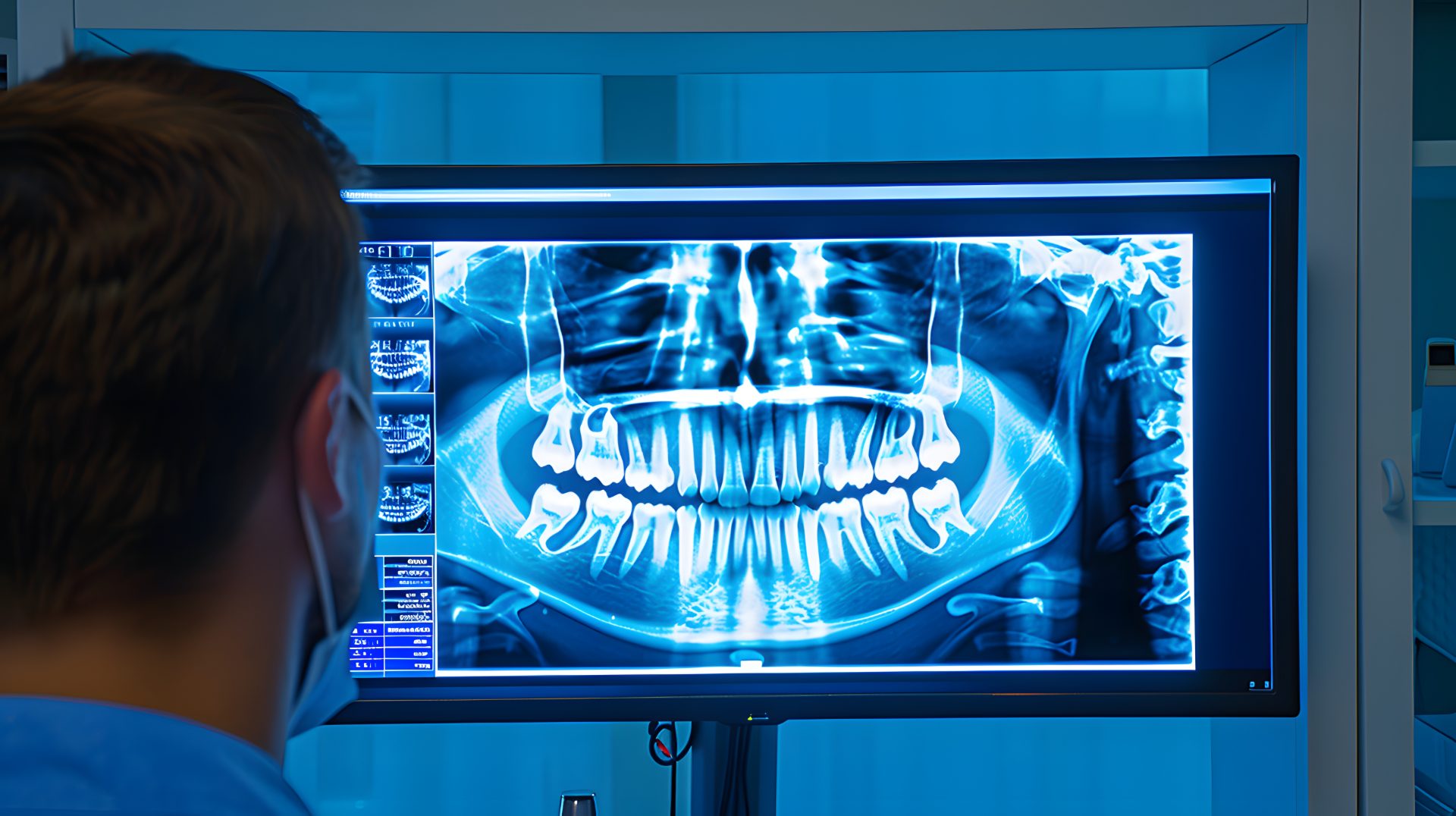
- A cone-beam 3D scan measures the bone, the nerve and the sinus before anything is planned.
- Each plan starts from the final teeth and works back to where the implants go, and placement follows a printed surgical guide where suitable.
- Bone is rebuilt first where it is too thin.
- The same specialist plans the teeth and places the implants. Dr. Nahlah is a board-certified prosthodontist and has placed over 18,000 implants.
- Maintenance visits every 3 or 6 months catch problems early.
Sedation is optional if you are anxious; see sedation dentistry. The dental implants page walks through each step of treatment.
When should you call us after surgery?
Call the office if bleeding does not slow with firm pressure after a few hours, swelling gets worse after the third day, you develop a fever or notice pus, numbness continues after the anesthetic should have worn off, or an implant or temporary tooth feels loose. If you have trouble breathing or swallowing, call 911.
Implant Risk Questions
Does dental implant surgery hurt?
The surgery is done under local anesthetic, so you should feel pressure but not sharp pain. Soreness afterwards is usually managed with pain relievers for a few days. Sedation is optional if you are anxious.
How common is dental implant failure?
A long-term review found about 96% of implants still in place after ten years (Howe et al., 2019). Failure is more likely in people who smoke, in diabetes that is not well controlled, and where cleaning around the implant is difficult.
Can implant surgery damage a nerve?
It can, mainly with lower back implants near the nerve that supplies the lip and chin. The position of the nerve is measured on your 3D scan before surgery, and the implant is planned to stay clear of it. Most nerve irritation is temporary.
Can I have implants if I take osteoporosis medicine?
Often, yes, but some bone medicines affect healing, so tell us everything you take. Dr. Nahlah may coordinate with your physician before planning surgery.
What happens if my implant does not take?
The implant is removed, the site heals, and bone is rebuilt if needed before a new implant is placed. A second opinion on implant surgery is free, as an ongoing offer, wherever the implant was placed.
Key Takeaways
- Swelling, bruising and soreness for a few days are normal after implant surgery.
- Nerve, sinus and infection problems are less common and are reduced by 3D planning.
- Inflammation around the implant is the main long-term risk.
- Smoking, uncontrolled diabetes and some medicines raise the risk, and change the plan.
- Maintenance visits every 3 or 6 months catch problems while they are small.
If you have questions about the risks in your own case: Book your free consult + 3D scan at our McLean (Tysons Corner) or Alexandria office: the examination, a 3D scan and your options in writing, each with its price. The consult and scan are free for new patients, as an ongoing offer; the scan is valued at $400. Bring your insurance card, and any scans or quotes you already have.
About the author
Dr. Esam Abou Nahlah, D.D.S., M.S., FACP, is a board-certified prosthodontist (Diplomate, American Board of Prosthodontics) with offices in McLean (Tysons Corner) and Alexandria, Virginia. He has practiced since 2003, has placed over 18,000 implants, and teaches prosthodontic residents as adjunct faculty at Virginia Commonwealth University.
Research References
- Pjetursson BE, Tan WC, Zwahlen M, Lang NP. A systematic review of the success of sinus floor elevation and survival of implants inserted in combination with sinus floor elevation. Journal of Clinical Periodontology. 2008;35(8 Suppl):216–240. https://pubmed.ncbi.nlm.nih.gov/18724852/
- Derks J, Tomasi C. Peri-implant health and disease. A systematic review of current epidemiology. Journal of Clinical Periodontology. 2015;42(Suppl 16):S158–S171. https://pubmed.ncbi.nlm.nih.gov/25495683/
- Serino G, Ström C. Peri-implantitis in partially edentulous patients: association with inadequate plaque control. Clinical Oral Implants Research. 2009;20(2):169–174. https://pubmed.ncbi.nlm.nih.gov/19077152/
- Jung RE, Zembic A, Pjetursson BE, Zwahlen M, Thoma DS. Systematic review of the survival rate and the incidence of biological, technical, and aesthetic complications of single crowns on implants reported in longitudinal studies with a mean follow-up of 5 years. Clinical Oral Implants Research. 2012;23(Suppl 6):2–21. https://pubmed.ncbi.nlm.nih.gov/23062124/
- Howe MS, Keys W, Richards D. Long-term (10-year) dental implant survival: a systematic review and sensitivity meta-analysis. Journal of Dentistry. 2019;84:9–21. https://pubmed.ncbi.nlm.nih.gov/30904559/
A consultation includes the 3D scan and a clear answer about what your case actually needs, before you commit to anything.
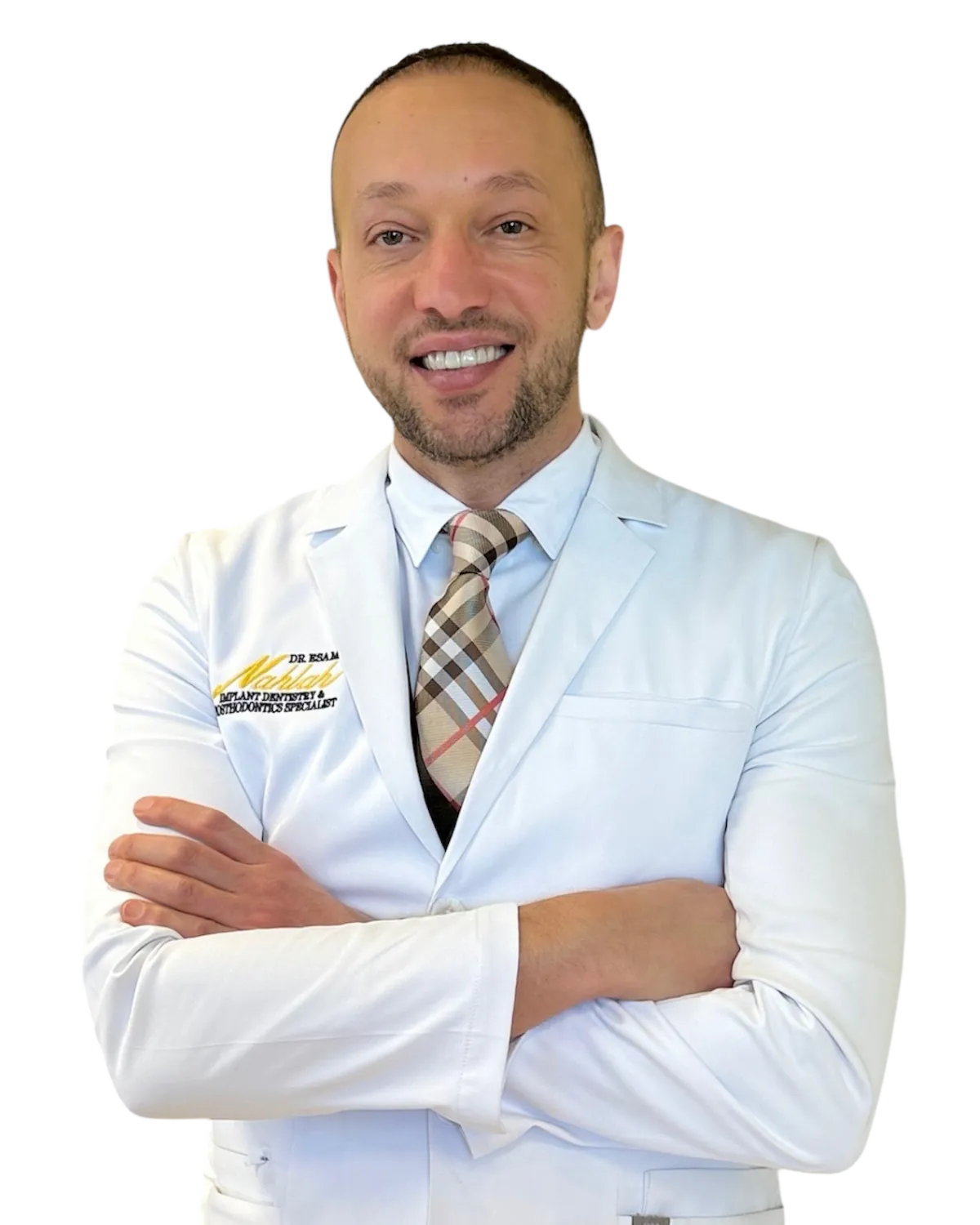
D.D.S., M.S. Diplomate of the American Board of Prosthodontics, practicing in Northern Virginia since 2013.
Meet the specialistService excellence and Stephanie is amazing! This place is very professional and caring. The consultation was really helpful. They took the time to explain everything well, making me feel comfortable and welcomed. Absolutely a great choice for dental needs.Tajala Battle · GoogleMore patient stories
A 3D scan and a clear answer about what your case actually needs, before you commit to anything.