27 October 2026
Oral surgeons and periodontists are trained to place the implant post, and a prosthodontist is trained to plan and make the teeth that go on it; many prosthodontists also place implants themselves. The advantage of a prosthodontist who does both is that the finished teeth are planned first, and the posts go where those teeth need them.
How a prosthodontist differs from a general dentist and a periodontist in everyday care is covered in what is a prosthodontist. This article is about implants specifically, and it adds the oral surgeon.
Training differences
All three are among the 12 dental specialties currently recognized by the National Commission on Recognition of Dental Specialties and Certifying Boards, which defines each one:
- Oral and maxillofacial surgery covers the diagnosis and surgical treatment of diseases, injuries and defects of the hard and soft tissues of the mouth, jaws and face. The American Association of Oral and Maxillofacial Surgeons describes its specialists as trained in a hospital-based residency of at least four years, alongside medical residents, and trained in all aspects of anesthesia.
- Periodontics covers the prevention, diagnosis and treatment of diseases of the tissues that support and surround the teeth or their substitutes, such as implants. The American Academy of Periodontology says periodontists train for three additional years beyond dental school, in periodontal dentistry and dental implants.
- Prosthodontics covers the diagnosis, treatment planning, rehabilitation and maintenance of patients with missing or deficient teeth. The American College of Prosthodontists says a prosthodontist completes at least three additional years of advanced training after dental school, covering implants, crowns, bridges and dentures.
Put simply, the oral surgeon's training centers on surgery and anesthesia, the periodontist's on the gums and bone around teeth and implants, and the prosthodontist's on the teeth themselves, including the laboratory work behind them.
Who plans the teeth, and who places the post
An implant has two halves. The post goes into the bone, and the tooth, bridge or arch goes on top. In many cases those halves are done by different people: an oral surgeon or periodontist places the post, and a general dentist or prosthodontist makes the teeth. That arrangement is common, and it works well when the team plans together.
The American College of Prosthodontists describes prosthodontists as the leaders of the dental treatment plan, and treatment planning is written into the specialty's definition. In an implant case, that means deciding how the finished teeth should look and bite, then working back to where each post has to go.
At this practice the two halves are not split. Dr. Esam Nahlah, a board-certified prosthodontist in practice since 2003, with over 18,000 implants placed, plans, places and restores dental implants himself. Extractions and bone grafting are done in the same building, by the specialist who restores the tooth afterwards, as described on the oral surgery page.
Why one specialist for both changes the result
A post in the wrong position integrates just as firmly as one in the right position, and then the tooth on top of it can never be right. That is the case for planning the teeth before the surgery, whoever does it. When one specialist does both, the person placing the post is the one who designed the teeth it has to carry.
In practice, that looks like this:
- The final teeth are designed before a single implant is placed, and you approve the result in advance.
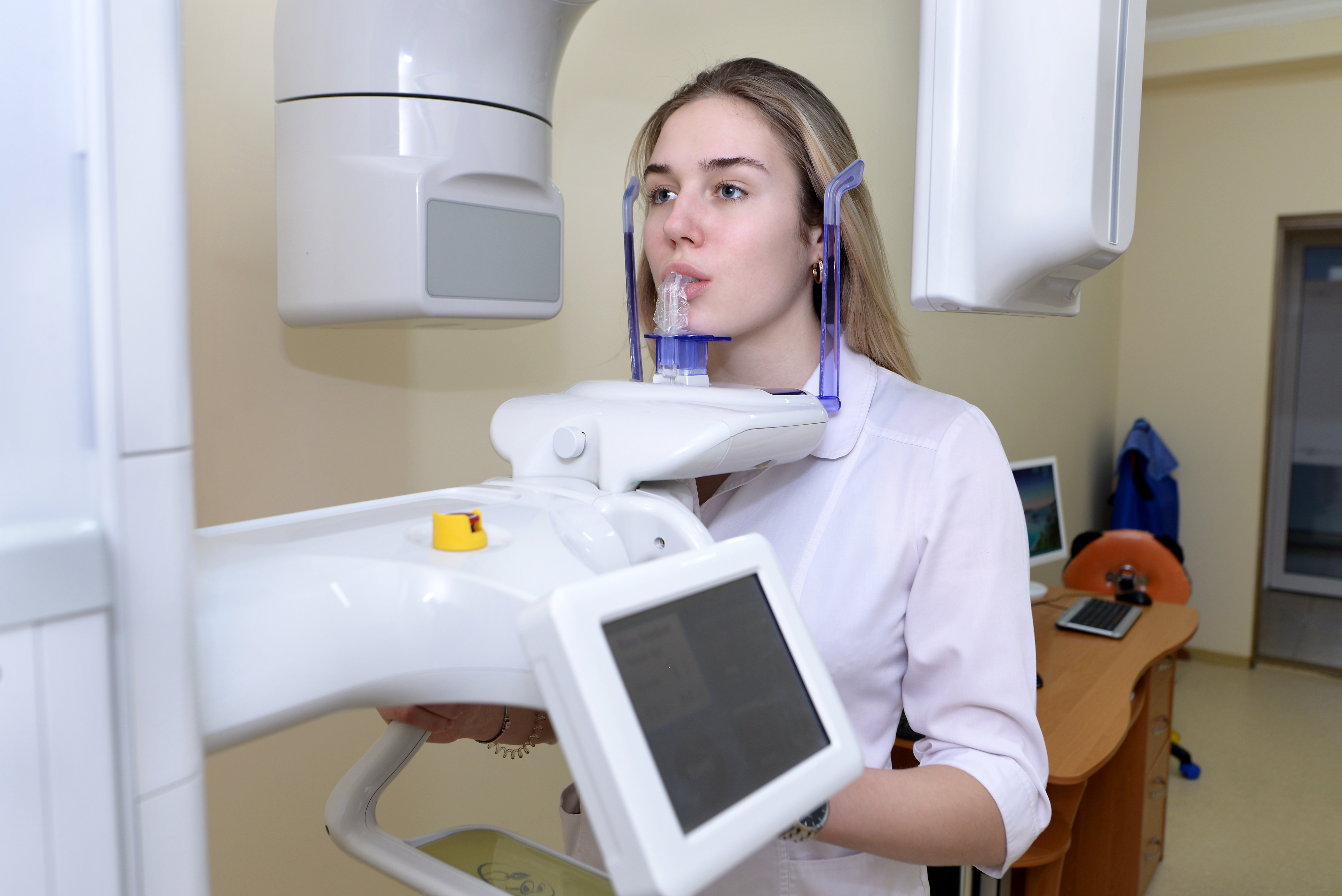
- A cone-beam scan maps the bone, the positions are planned in software, and a printed surgical guide puts each implant at the planned angle and depth.
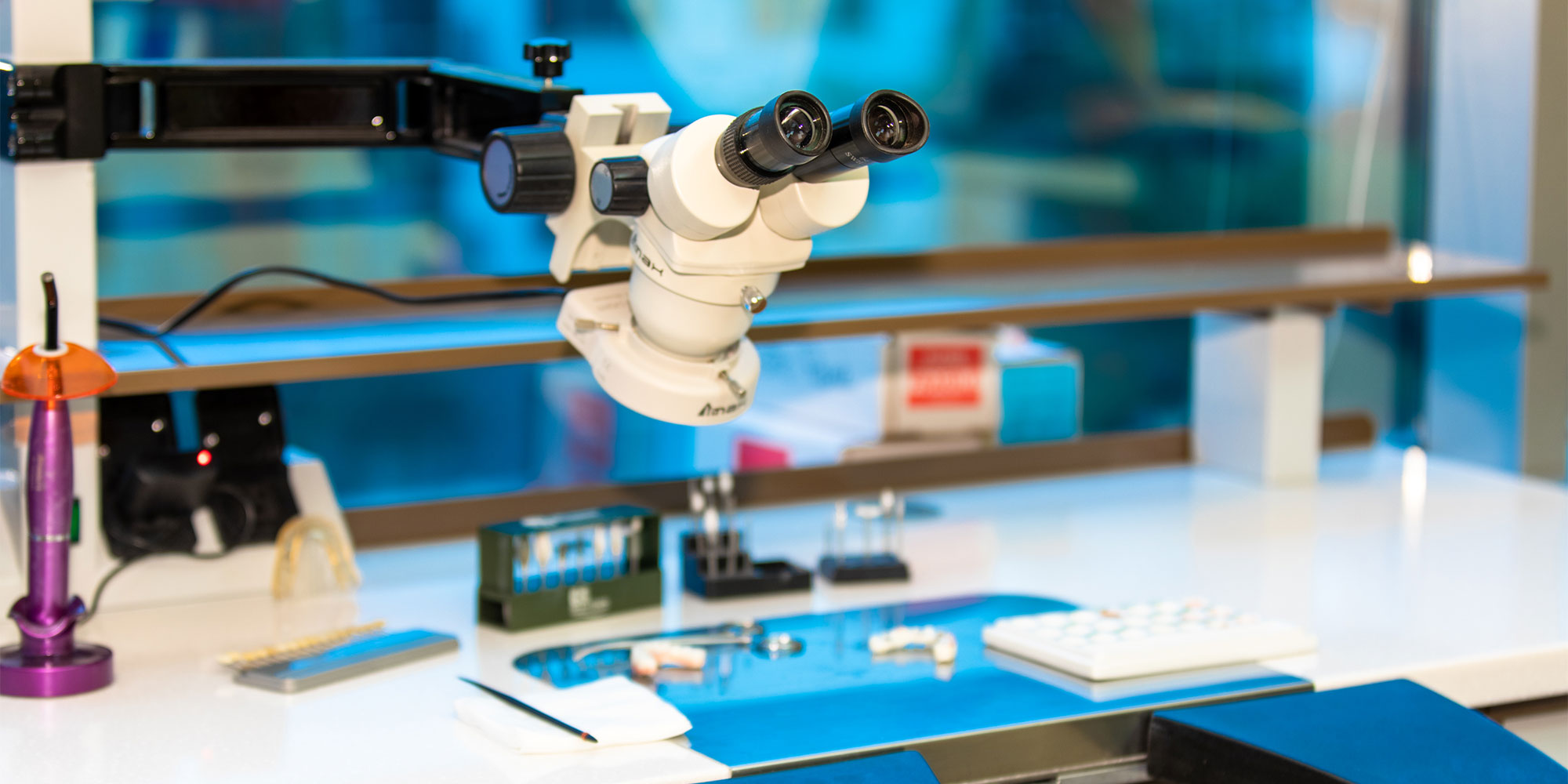
- Both the McLean and Alexandria offices have their own digital laboratory, so shade, shape and fit are corrected in minutes rather than posted to an outside lab.
- The final teeth are shaped, shaded and bite-balanced by the same specialist who planned them.
When a referral still makes sense
One specialist for both halves is not the only good route. Seeing another specialist is the right call in several situations:
- You want or need IV sedation or general anesthesia. Oral and maxillofacial surgeons are trained in all aspects of anesthesia. This practice offers nitrous oxide and oral sedation, and does not offer IV sedation or general anesthesia.
- The surgery goes beyond implants: corrective jaw surgery, facial injuries, or disease of the mouth, head and neck. That is the oral surgeon's field.
- You have advanced gum disease. A periodontist is the specialist in the tissues that hold teeth and implants in place.
- You already have a surgeon and a restoring dentist who plan the teeth before the surgery, and you trust them. That team is worth staying with.
Whichever route you take, ask one question before surgery: who is planning the teeth, and has the post position been planned around them?
Questions
Is a prosthodontist or an oral surgeon better for implants?
It depends on the case. An oral surgeon's training is hospital-based and centers on surgery and anesthesia, which matters for complex surgery or deep sedation. A prosthodontist is trained to plan and make the teeth, and many also place implants. Either way, ask who plans the finished teeth before the post goes in.
Do I need a referral to see a prosthodontist for implants?
No. You can book a consultation with Dr. Nahlah directly, at the McLean or Alexandria office. Dentists who want to refer a patient can do so through the practice's referral page. A first consultation includes an examination and a cone-beam scan, and second opinions on implant surgery are free.
If you are deciding who should do your implants, start with a plan. A consultation includes the cone-beam scan and an honest answer about what your case needs, and you can bring any plan you have already been given. Book a consultation, or read about Dr. Nahlah's training and credentials.
A consultation includes the 3D scan and a straight answer about what your case actually needs, before you commit to anything.
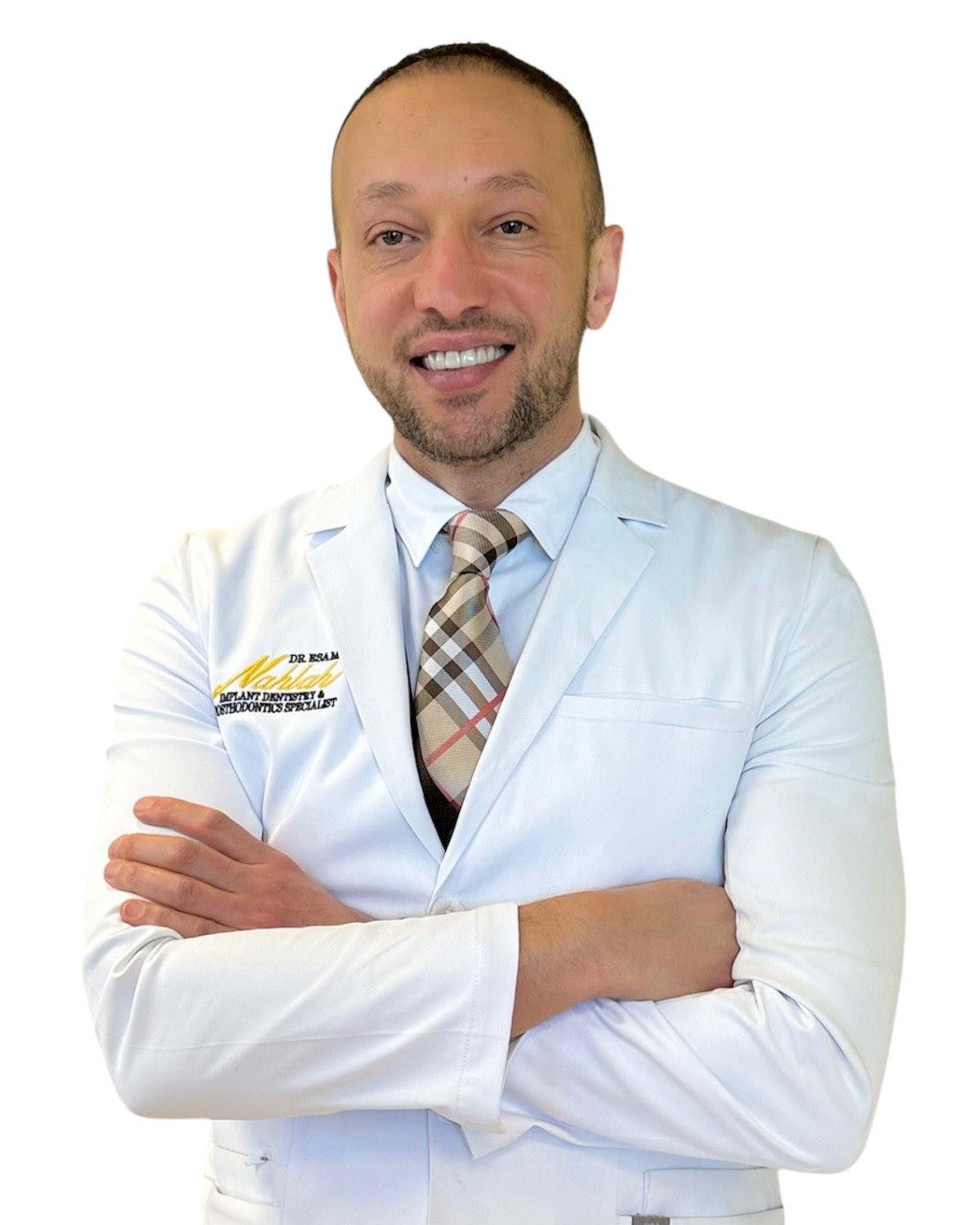
D.D.S., M.S. — Diplomate of the American Board of Prosthodontics, practicing in Northern Virginia since 2013.
Meet the specialistService excellence and Stephanie is amazing! This place is very professional and caring. The consultation was really helpful. They took the time to explain everything well, making me feel comfortable and welcomed. Absolutely a great choice for dental needs.Tajala Battle · GoogleMore patient stories