A patient holding a framed photograph of his mouth before implant treatment
HomeImplantsCommon Questions

Twelve questions, answered before you book.

The ones patients actually ask, including the two about pain and money.

95%+Published success rate
3 partsPost, abutment, restoration
DecadesDesigned lifespan
Before You Book

Three parts, one tooth.

Implants are the most complete answer to tooth loss there is, and the most involved process. Which is why they raise more questions.
A titanium implant post placed in the jaw
The postWorks as a root does
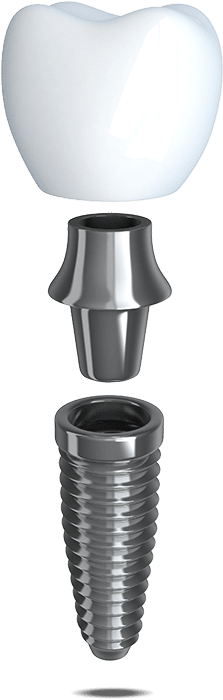
An abutment and crown on an implant post
The abutmentJoins the two
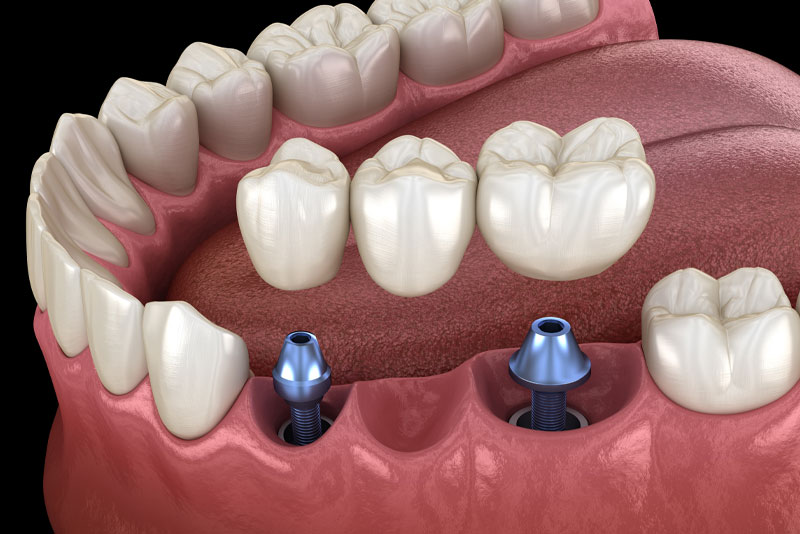
A multi-implant restoration model
The restorationCrown, bridge or arch
The Basics

What an implant is, and whether it works.

What is a dental implant?
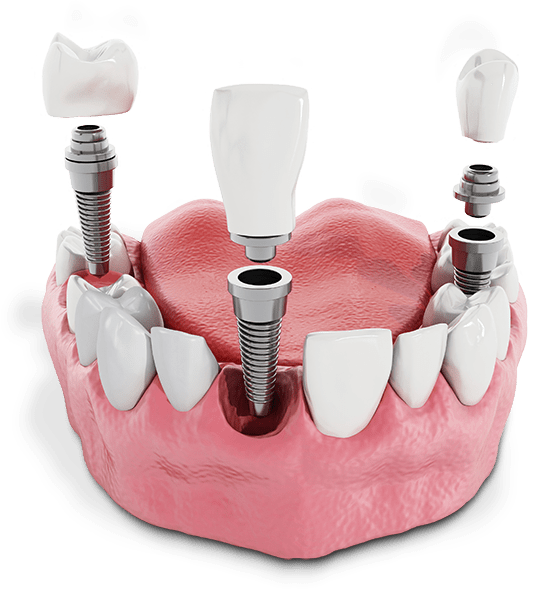
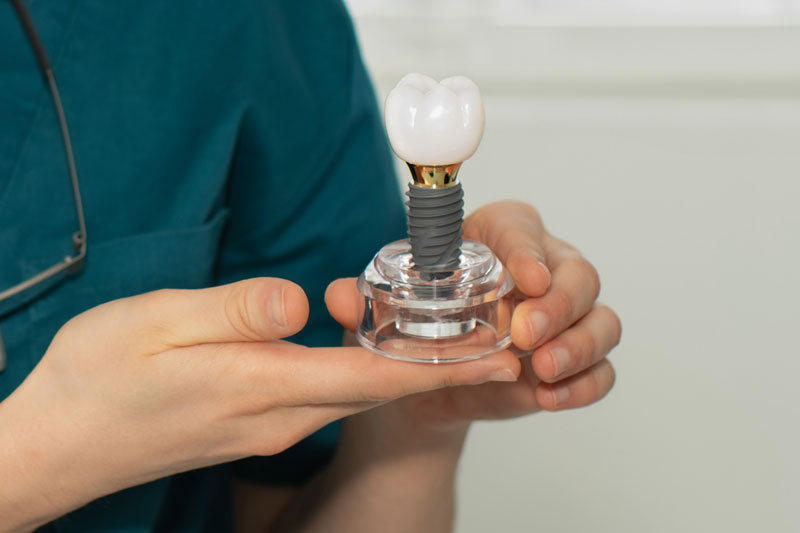
Three parts: a titanium or ceramic post, an abutment, and a restoration. The post functions as a tooth root does, and what sits on top can be a single crown, a bridge, a denture or a full-arch prosthesis.
Why are implants called the gold standard?
They are the only permanent tooth replacement option, and they are designed to last decades. Because the post is placed into the jawbone, the health benefits are comparable to a natural tooth, which is not true of anything resting on the gum.
What is the success rate?
Consistently over 95% since implants were introduced decades ago. That figure comes from surgical technology, materials, clinical experience and long-term maintenance. The last one is yours to supply.
Am I a candidate?
Many patients already are, and many of the rest qualify after bone grafting or extractions. Candidacy is determined accurately only after a comprehensive consultation and evaluation, not from a web page.
The Procedure

The surgery, the pain, and the recovery.

What is implant surgery like?
Often completed in a few hours using patient-fitted surgical guides, planned from the scan beforehand. How long yours takes depends on several factors; you will be comfortable regardless of the answer.
Will it be painful?
The surgery is completed under sedation. You will feel no pain, and most patients have no memory of the appointment at all. Sedation options
What is recovery like?
Rest for a few days. Patients generally report minor discomfort that over-the-counter medication handles, and most return to normal activity after about a week. A soft food diet is required for the next several months while the implants integrate. That part is not optional, and it is the one people underestimate.
How long does the whole process take?
Anywhere from a few months to over a year. Bone grafting, if you need it, is a separate procedure with several months of healing first. After placement, integration takes three or more months before the final restoration is attached, and in many cases you wear a temporary in the meantime.
An implant post held before placement
Placed once

Precision at placement is what decides the outcome fifteen years later.

Afterwards

Living with them.

How do I care for dental implants?
Like natural teeth, with no special maintenance. Brush twice a day and floss once. Some restorations want a water flosser to clear debris from underneath.
Do I still need check-ups?
Yes, and this surprises people. Implant restorations cannot decay, but they can develop peri-implantitis, an infection of the gums around the implant, caused by plaque exactly as gum disease is. Keep the six-month visits.
How long will they last?
They are designed to last decades and have the potential to last the rest of your life. Surgical technology, clinical experience and your own habits all affect it.
How much does treatment cost?
It depends on how many teeth are missing and for how long, the materials, and what has to happen first. Nobody can give you a real number before an evaluation. The practice helps you apply for financing and files insurance claims for you. Cost and financing

Have additional questions?

Ask the ones this page did not answer. Second opinions are free.