Dr. Nahlah with a patient at the practice
HomeEmergency Dentistry

High-quality dentistry when you need it most.

Not usually the emergency room. Wherever possible, space is made to see you the same day.

Same dayWherever possible
2 officesMcLean and Alexandria
SedationAvailable if you need it
Dental emergency, or medical emergency?

If you have neck or head pain, are bleeding uncontrollably, feel dizzy, or have suffered severe trauma, this page is not the right place. Seek immediate medical attention: call 911 or get to the nearest medical facility. Medical personnel are best equipped for those symptoms.

For everything below, whether a tooth, a filling, an abscess or a socket, call the practice.

Emergency dental care at the practice
Seen the same day
A stereo microscope over the bench in the practice's in-house laboratory
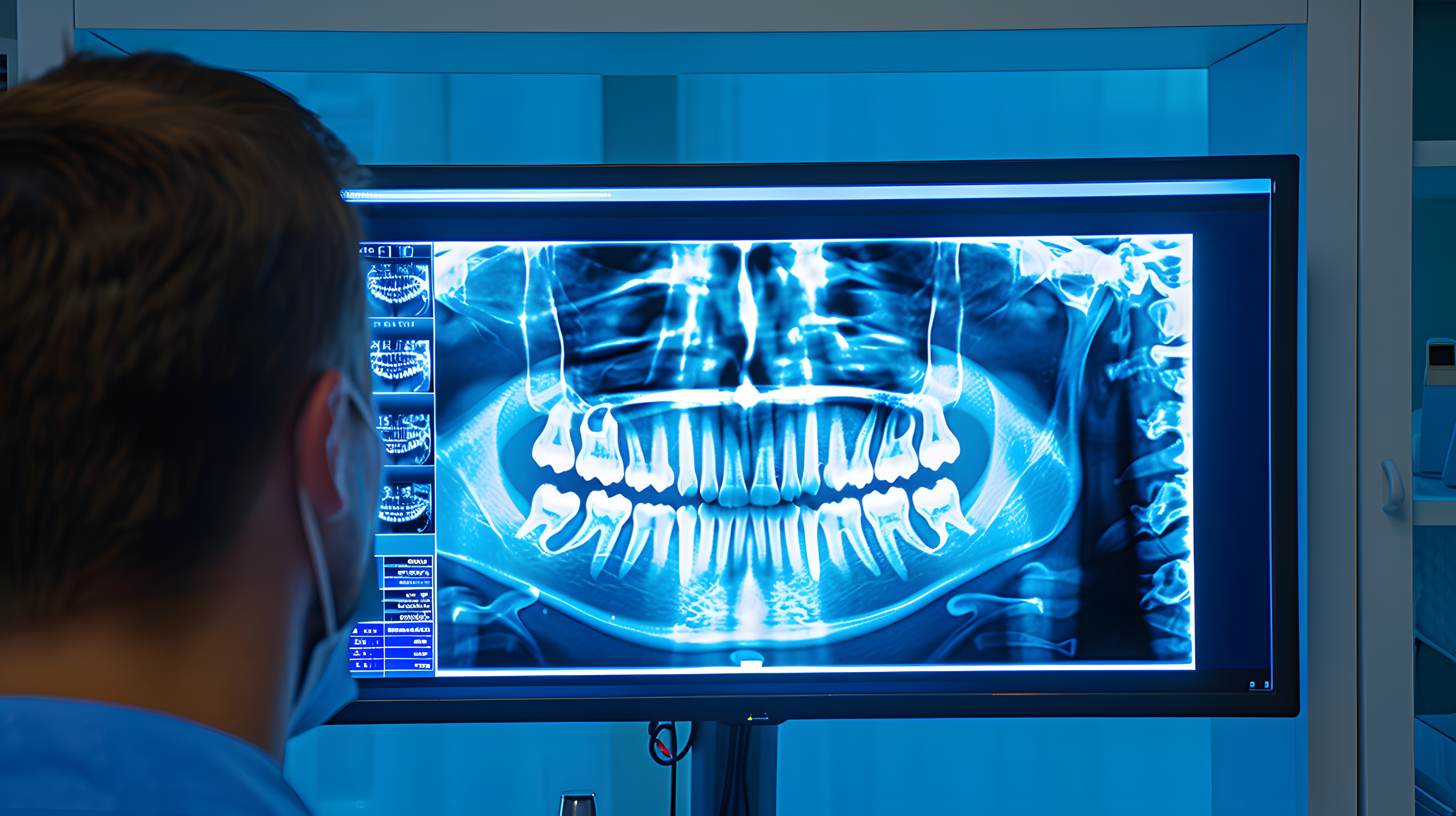
Diagnosed fast
A patient resting with her eyes closed in the chair under sedation
Sedation available
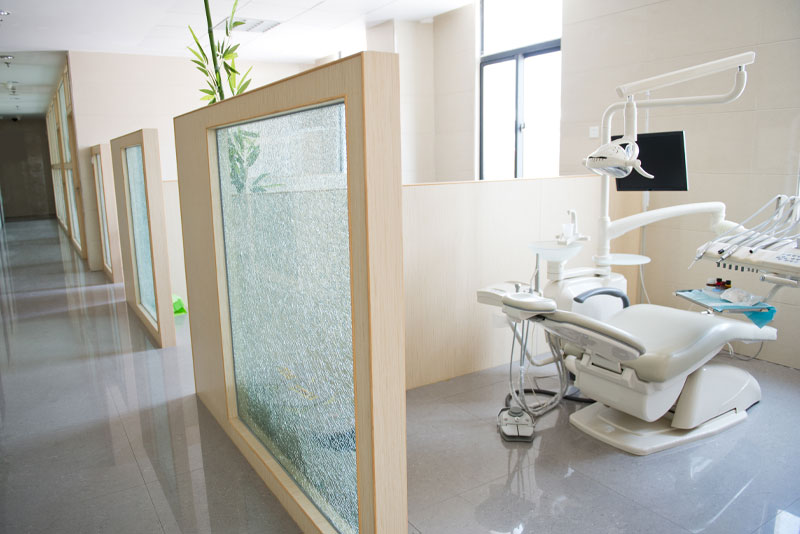
A treatment room at the practice, screened by a frosted-glass partition
Two offices
A patient greeting a team member at the front desk
What Counts

Eight reasons to call the same day.

The first question is usually whether it is one at all. If any of these are true, it is.

  • Sudden or severe toothache
  • An infected or abscessed tooth
  • A loose tooth or filling
  • A fractured or broken tooth
  • Painful or inflamed gums
  • A dislodged or knocked-out tooth
  • A broken or damaged denture
  • A chipped or cracked tooth or crown

Root canals, a loose or lost filling, painful infections. You will be seen with urgency and without being made to feel you overreacted.

Right Now

Five situations, and what to do before you arrive.

The first twenty minutes matter more in some of these than in others.

A knocked-out tooth
Act now. This one is time-critical. Put the tooth back in its socket and hold it there. If you cannot, place it in a small container of milk. Do not scrub it clean. Replaced in time and splinted, it may be saveable. The same applies to a partially dislodged tooth.
A toothache that will not go away
Persistent pain generally means infection, often inside the tooth. Sometimes a filling is the whole answer. Sharp pain on biting points to the root, and those cases usually need root canal therapy.
A broken tooth
Minor chips can wait for a normal appointment. A tooth fractured after trauma cannot, because the damage may run past the surface. A filling, a crown or a root canal, depending on the break; the most severe need an emergency extraction.
An abscess
An infection from an injury, a cavity or previous dental work can form an abscess at the base of the tooth root. Treatment frequently means an emergency root canal to clear the damaged pulp out of the root.
Dry socket, after an extraction
If the pain after an extraction has become intense, the clot in the socket may have been dislodged, exposing bone and nerve. Treat it immediately: the socket is cleaned and packed with gauze.
A stereo microscope over the bench in the practice's in-house laboratory
On Arrival

Diagnosed quickly, then made comfortable.

Working out what is wrong fast is most of the job in an emergency; a wrong diagnosis costs more time than the treatment does.

Strict sterilization protocols, and a custom level of sedation, which matters here more than anywhere: people arriving in pain are rarely calm.

Sedation options

Resolve your toothache today.

Stay calm and call without delay.